 blog
blog
Best Ways to Increase Property Value in 2026
Table of Contents
- High ROI Home Improvements: Where Your Money Works Hardest
- Cost of Kitchen Remodel vs Value Added: What the Numbers Say
- Luxury Home Addition Ideas That Appraisers Notice
- Curb Appeal and Exterior Improvements: First Impressions Drive Offers
- Maintenance-Based Value Preservation: The Smart Owner's Strategy
- The Pre-Listing Checklist: Getting Top Dollar When You Sell
- Frequently Asked Questions
Last Updated: September 27, 2026
High ROI Home Improvements: Where Your Money Works Hardest
The best ways to increase property value start with projects that buyers can see and appraisers can measure. Spending on the right improvements beats spending more. According to Fannie Mae's home improvement research, homeowners who plan projects around buyer demand recover far more at resale than those who remodel on impulse.
So which projects actually pay?
- Garage conversions and ADUs that add livable square footage
- Energy-efficient upgrades that cut utility bills
- Kitchen and bathroom updates with broad appeal
- Curb appeal work that photographs well
- Maintenance that protects what you already own
Below, we'll show you exactly how to rank these projects by return, not by how good they feel to live through.
Garage Conversions and ADUs: Adding Square Footage That Pays
Garage conversions and accessory dwelling units (ADUs) are the fastest way to add usable square footage without expanding the footprint of your home. That matters because appraisers price square footage, and buyers pay for flexibility.
A common mistake is treating a garage conversion as a simple drywall job. In practice, it involves insulation, electrical, plumbing, and egress requirements. Skipping permits can stall a sale later.
What most guides miss is the rental angle. An ADU that can legally be rented adds income potential, which some lenders factor into value.
Energy-Efficient Upgrades: Lower Bills, Higher Appraisal
Energy-efficient upgrades lower monthly bills and show up in the appraisal report. Buyers in hot inland markets care about cooling costs, and a home that runs cheaper is easier to sell.
The highest-impact moves are usually:
- Updated HVAC systems with a modern efficiency rating
- Attic and wall insulation
- Dual-pane windows in sun-exposed rooms
- Solar panels where the roof and utility rules allow
According to the U.S. Department of Energy's homeowner resources, efficiency improvements reduce both consumption and long-term ownership costs.
Cost of Kitchen Remodel vs Value Added: What the Numbers Say
The cost of kitchen remodel vs value added depends on scope, not budget. A mid-range kitchen that fixes layout problems tends to recover more than a luxury kitchen with unusual finishes, because appraisers and buyers both price a kitchen against the homes around it.
Here's how to think about the trade-off:
| Project Scope | Typical Cost Band | Likely Buyer Reaction | Value Recovery |
|---|---|---|---|
| Cosmetic refresh (paint, hardware, lighting) | Low four figures | Positive, low risk | High |
| Mid-range full remodel | Mid five figures | Strong, broad appeal | Moderate to high |
| High-end custom kitchen | Six figures and up | Mixed, narrow appeal | Variable |
| Layout change (moving walls, plumbing) | Adds significant cost to any tier | Depends on whether it fixes a real flaw | Can be high if it solves a functional problem |
Three mechanisms drive whether you recover your spend:
- Functional obsolescence. A kitchen with a broken work triangle, no dishwasher, or a single outlet per wall reads as a problem to solve, not a feature. Fixing function is the highest-recovery move at any budget.
- Comparable anchoring. Appraisers pull comps from similar homes. If every nearby house has a mid-range kitchen, a luxury one is a cost you can't fully recoup because the comps cap your ceiling.
- Buyer financing limits. A buyer's lender will only fund an appraisal-supported price. Over-improving past what the neighborhood supports means the gap comes out of the seller's pocket.
Bathroom Updates: Small Changes, Big Returns
Focus on:
- New fixtures and hardware
- Updated lighting
- Fresh tile or a resurfaced tub
- Better ventilation to prevent moisture damage
For visible updates, prioritize in this order:
- Vanity and mirror, the largest visual surface in the room
- Lighting, a single dated fixture dates the whole room
- Fixtures, faucets, showerheads, and towel bars in a consistent finish
- Flooring, tile or luxury vinyl that matches the home's era
- Tub or shower surround, resurfacing costs far less than replacement
A half-bath addition is a separate calculation. It adds a fixture count that appraisers track, but the cost of running plumbing to a new location can exceed the value it adds. Add a half-bath when plumbing is already nearby; skip it when it requires breaking a slab.
Luxury Home Addition Ideas That Appraisers Notice
Luxury home addition ideas pay off when they add function rather than decoration. Appraisers notice permanent, permitted improvements: extra bedrooms, expanded living areas, and integrated outdoor spaces.
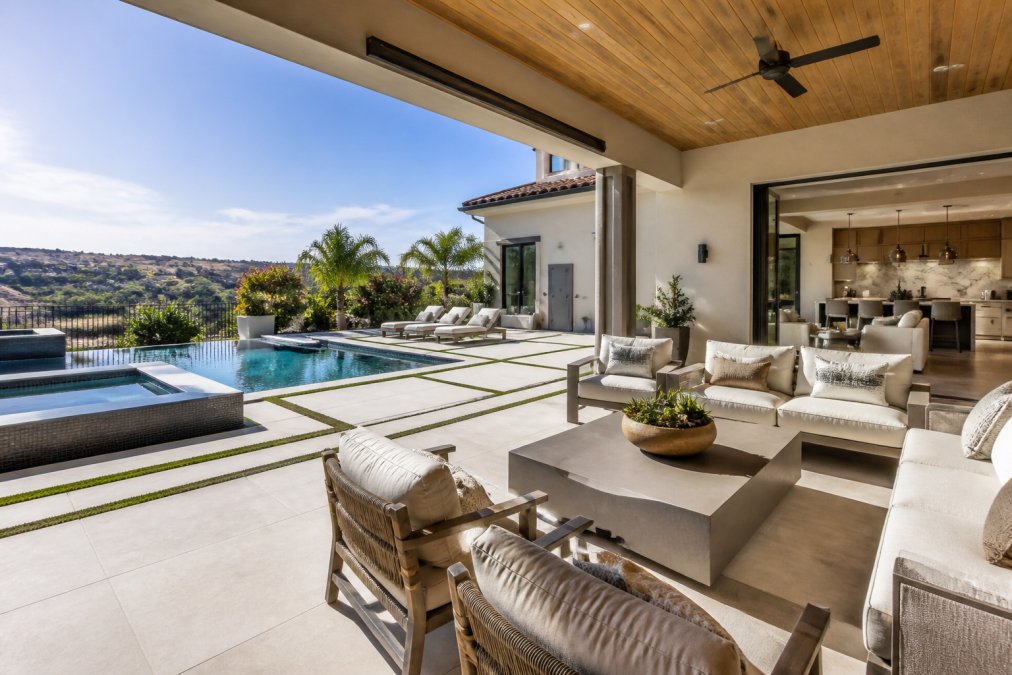
Outdoor Living Spaces and Pools: Maximizing California's Climate
Outdoor living spaces and pools extend usable square footage without a roof. In our climate, a covered patio, outdoor kitchen, or pool area functions as a second living room for most of the year.
Curb Appeal and Exterior Improvements: First Impressions Drive Offers
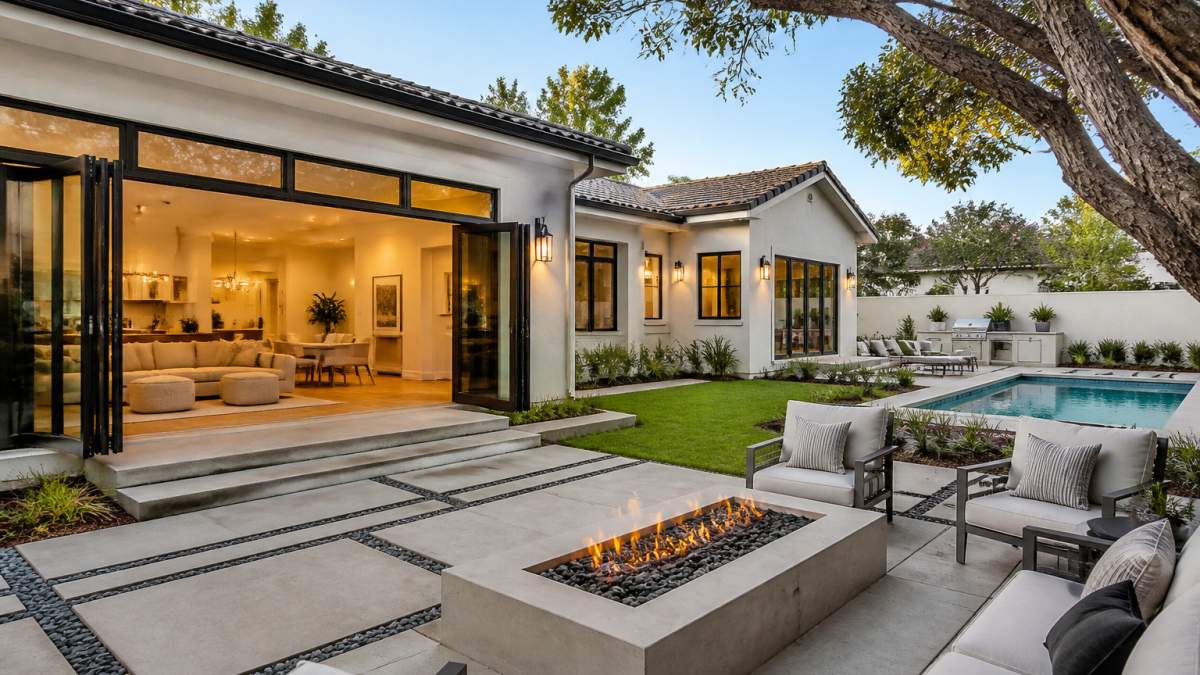
Curb appeal and exterior improvements set the price ceiling before a buyer walks in. Landscaping, exterior paint, and a clean driveway shape the first impression, and first impressions drive offers.
Quick wins include:
- Fresh exterior paint in neutral tones
- Trimmed landscaping and healthy lawn
- Updated house numbers, mailbox, and porch lighting
- A repaired driveway and clean walkway
Maintenance-Based Value Preservation: The Smart Owner's Strategy
Maintenance-based value preservation protects the value you already have. This is the angle most guides skip. Every article tells you to remodel; almost none tells you that a deferred repair is a discount a buyer will ask for at the negotiating table, usually larger than the cost of the repair itself.
- Roof and gutters. Check after every major storm season. Missing shingles, granule loss, and sagging gutters are the most common inspection flags. A roof near the end of its service life is a known, quantifiable deduction.
- Plumbing and water heater. Water heaters have a finite service life stamped on the unit. Buyers and inspectors read that date. A unit past its expected life is a guaranteed negotiation point even if it still works.
- HVAC servicing. Annual service keeps the system efficient and creates a paper trail. A system with no service history reads as a liability.
- Exterior caulking and drainage. Water is the most expensive thing to fix. Grading that pushes water toward the foundation, clogged downspouts, and failed caulk around windows all lead to the same costly outcome.
- Electrical and panel capacity. Older panels that can't support modern loads are a common deal-breaker for buyers who plan to add an EV charger or a heat pump.
A Simple Annual Maintenance Calendar
- Spring: Roof and gutter inspection, exterior caulking, HVAC service, drainage check
- Summer: Irrigation and landscaping health, exterior paint touch-ups, deck and fence sealing
- Fall: Heating system service, weatherstripping, water heater flush, chimney inspection if applicable
- Winter: Pipe insulation in unheated spaces, interior moisture check, smoke and carbon monoxide detector testing
This calendar is not glamorous, but it is the difference between selling a home that appraises at asking and one that gets picked apart line by line.
The Pre-Listing Checklist: Getting Top Dollar When You Sell
The pre-listing checklist is where all of this comes together. Before you list, work through it in order:
- Complete deferred maintenance and repairs
- Deep clean and declutter every room
- Refresh interior paint in neutral colors
- Replace outdated fixtures and hardware
- Tune up landscaping and exterior lighting
- Gather permits and receipts for all improvements
- Order a pre-listing appraisal if you want a pricing reality check
Frequently Asked Questions
What home improvements offer the highest return on investment?
High ROI projects include garage conversions, energy-efficient upgrades, and minor kitchen and bathroom updates. These improvements often recoup a significant portion of their cost at resale. For example, an energy-efficient HVAC system can lower utility bills and appeal to buyers. In Southern California, adding an ADU or converting a garage also boosts value by increasing usable square footage. Always prioritize projects that align with your local market and buyer preferences.
Does a kitchen remodel significantly increase property value?
A kitchen remodel can increase property value, but the return varies. Major remodels may not recoup their full cost, while minor updates like new hardware, lighting, and interior paint often deliver better ROI. The cost of kitchen remodel vs value added depends on scope and market. In affluent areas, high-end finishes and smart home integration can attract buyers. Consult a local appraiser to understand what buyers in your area expect.
Are outdoor living spaces considered high-value home additions?
Yes, outdoor living spaces are high-value additions, especially in warmer climates. Features like covered patios, outdoor kitchens, and pools extend living space and appeal to lifestyle-focused buyers. However, pool value varies by region; in Southern California, a well-designed pool can be a strong selling point. Ensure these additions are seamlessly integrated with the home's design and comply with local building codes.
How do garage conversions impact property appraisal?
Garage conversions can positively impact appraisal by adding livable square footage, which is a key value driver. An appraiser will consider the quality of the conversion, permits, and its functionality. A professionally converted garage that serves as an ADU or guest suite can increase market value, particularly in areas with high demand for rental income. Ensure the conversion meets local building codes and is done with high-quality materials.