 how-to
How to Avoid Kitchen Remodel Cost Overruns
Table of Contents
- Why Kitchen Remodel Cost Overruns Happen
- Setting a Realistic Kitchen Remodel Budget from the Start
- Understanding Kitchen Renovation Cost Breakdown by Category
- Building a Kitchen Remodel Contingency Budget for Hidden Costs
- How to Compare Kitchen Remodeling Estimates and Contractor Bids
- Managing Kitchen Remodeling Contract Change Orders
- Tracking Expenses and Staying on Budget Throughout Your Project
- Conclusion
- Frequently Asked Questions
Last Updated: October 9, 2026
Why Kitchen Remodel Cost Overruns Happen
Kitchen remodels rank among the most expensive home improvement projects. When budgets spiral out of control, it's rarely due to a single mistake. Most overruns stem from a combination of poor planning, scope creep, and hidden structural issues discovered mid-project.
The biggest culprit is underestimating the true cost of materials and labor. Homeowners often anchor their budget to one quote or an outdated estimate.
Scope creep is the silent budget killer. A homeowner starts with a simple cabinet refresh. Then they decide the countertops need replacing. Then the backsplash. Then new lighting. Before long, the project has doubled in size and cost.
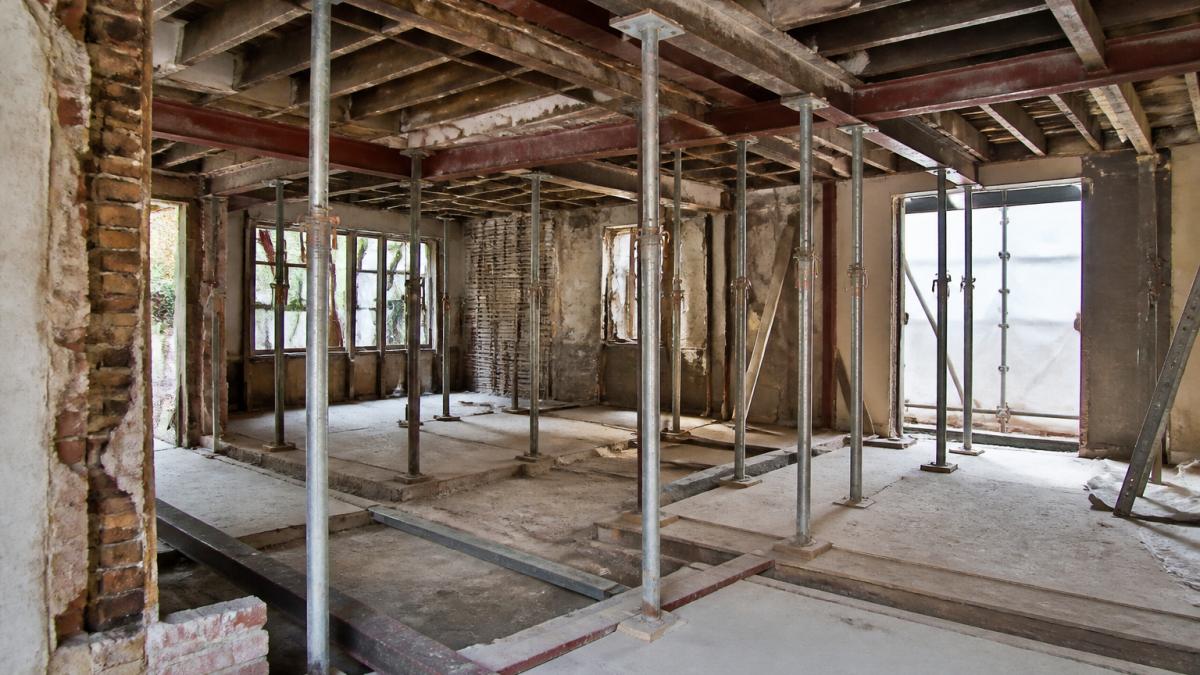
Hidden structural problems make overruns inevitable. Once walls come down, contractors discover rotted framing, outdated wiring that doesn't meet code, or plumbing that needs replacement. These surprises can add thousands to the final bill if you haven't prepared for them.
Poor communication between design and construction teams creates waste. A designer specifies a finish that the contractor sources at a premium price. Materials arrive late, pushing the timeline and increasing labor costs. Change orders pile up because nobody documented the original scope clearly.
Understanding these root causes is the first step toward avoiding them.
Setting a Realistic Kitchen Remodel Budget from the Start
A realistic kitchen remodel budget starts with research and honest assessment. Don't anchor your budget to what you hope to spend. Base it on what similar projects actually cost in your market.
Gather multiple estimates from different contractors. Get at least three detailed quotes that break down labor, materials, and overhead separately. This gives you a real sense of the market rate and helps you spot outliers.
Budget by category, not as a lump sum. A kitchen remodel budget typically includes:
- Cabinets and cabinet hardware, often 25-30% of total project cost
- Countertops and backsplash, typically 15-20%
- Appliances, usually 10-15%
- Flooring, generally 8-12%
- Plumbing and electrical work, commonly 15-20%
- Labor and overhead, typically 20-30%
- Lighting and fixtures, usually 5-10%
- Permits and inspections, generally 2-5%
Assign a realistic dollar range to each category. Don't assume you'll get premium finishes on a budget price. If you want high-end cabinets, reduce spending elsewhere.
Consider which elements truly matter to your kitchen's function and your home's value. A new layout with updated appliances and fresh finishes delivers more impact than cosmetic touches alone. Prioritize the upgrades that align with your actual use of the space.
Talk to your contractor about typical cost ranges for your region and the scope you're considering.
Understanding Kitchen Renovation Cost Breakdown by Category
Every kitchen remodel cost breaks down into distinct categories. Understanding each one helps you make informed trade-off decisions.
Cabinets and Storage
Cabinets are the largest single expense in most kitchen remodels. Stock cabinets cost less than semi-custom or fully custom options.
Cabinet refinishing or painting costs far less than full replacement.
Countertops and Backsplash
Countertop materials range widely in cost and durability. Laminate is affordable but shows wear.
Backsplash tile work is labor-intensive. Simple subway tile costs less than intricate patterns or premium materials.
Appliances
New appliances modernize a kitchen and improve functionality. Mid-range stainless steel appliances offer good quality without premium pricing.
Consider which appliances you actually use. A luxury cooktop is valuable if you cook regularly.
Flooring
Kitchen flooring takes heavy traffic and moisture exposure. Ceramic or porcelain tile is durable and affordable.
Installation labor is substantial. Subfloor preparation, removal of old flooring, and careful installation add to the total.
Plumbing and Electrical
These trades are essential and non-negotiable. Updated plumbing ensures proper drainage and water supply.
Both require licensed professionals and permit compliance. You cannot cut corners here without risking code violations and safety issues.
Labor and Overhead
Skilled labor is expensive and necessary. A quality contractor charges appropriately for their expertise, insurance, and crew management.
Overhead includes project management, scheduling, site cleanup, and administrative costs. This is built into the contractor's hourly rate and markup.
Building a Kitchen Remodel Contingency Budget for Hidden Costs
A contingency fund is non-negotiable. This is money set aside specifically for surprises, hidden structural issues, code violations, or scope changes you didn't anticipate.
Most experts recommend a contingency of 10-20% of your total project budget. For a $50,000 remodel, that's $5,000 to $10,000 in reserve. For a $100,000 project, set aside $10,000 to $20,000.
Why such a range? The higher percentage applies to older homes where hidden problems are more likely. Newer homes with recent renovations may need only 10%. But if you're opening walls in a 1970s kitchen, expect surprises.
Common hidden costs include:
- Structural repairs, rotted framing, water damage, or settling that requires reinforcement
- Code upgrades, older electrical systems that don't meet current code, plumbing that needs updating
- Asbestos or lead, if your home was built before the 1980s, testing and remediation may be required
- Inadequate ventilation, adding or upgrading exhaust systems for code compliance
- Subfloor issues, damaged underlayment that must be replaced before new flooring
- Unexpected plumbing, drain lines in inconvenient locations that require rerouting
Document your contingency fund separately from your base budget. Don't spend it on upgrades. Keep it truly reserved for emergencies.
How to Compare Kitchen Remodeling Estimates and Contractor Bids
Comparing contractor bids requires more than looking at the bottom-line price. A low estimate often signals incomplete scope or quality corners.
Request detailed estimates that break costs into labor and materials by category. A vague estimate ("Kitchen remodel: $75,000") tells you nothing. A detailed one shows exactly what's included and where money is allocated.
Check whether the estimate includes:
- Permit and inspection fees
- Removal and disposal of old materials
- Subfloor preparation
- All labor costs
- Project management and overhead
- Cleanup and site restoration
Ask each contractor the same questions. How long will the project take? What happens if work uncovers hidden issues? What's the payment schedule? Are change orders in writing? How are disputes resolved?
Interview the contractor, not just their estimate. Ask for references from recent kitchen remodels. Visit completed projects if possible. A contractor's communication style and professionalism matter as much as their price.
Compare apples to apples. If one estimate includes custom cabinetry and another doesn't, you can't fairly compare them. Make sure each bid addresses the same scope of work.
Watch for red flags. A contractor who won't provide references, refuses to put terms in writing, or pressures you to decide quickly is not worth hiring. A contractor who guarantees a price without seeing the space is likely underestimating.
The lowest bid isn't always the best value. The highest bid isn't automatically the best quality. Look for a contractor whose estimate is reasonable, whose communication is clear, and whose references are strong.
Managing Kitchen Remodeling Contract Change Orders
Change orders are written requests to modify the original scope of work. They're inevitable in kitchen remodels. The key is managing them so they don't derail your budget.
A change order should include:
- A clear description of what's changing
- The reason for the change
- The cost impact (labor and materials)
- The timeline impact (how many days it adds or saves)
- Approval from the homeowner before work begins
Never approve a verbal change. Always get it in writing. A contractor who resists documenting changes is a risk.
Establish a process with your contractor upfront. When hidden issues emerge, the contractor should stop work, assess the problem, and present you with options and costs before proceeding. This prevents surprises and keeps you in control.
Some changes are unavoidable. Others are scope creep. Be honest with yourself about which is which. A hidden structural problem requires a change order. Deciding mid-project to upgrade cabinet doors is a choice.
Budget impact varies. A change order to upgrade countertops might cost $3,000 but add no time. A change order to relocate plumbing might cost $2,000 and add three days. Understand both the financial and schedule implications.
Keep all change orders organized. Maintain a running log of approved changes and their costs. This prevents disputes at project close and helps you track where money went.
Tracking Expenses and Staying on Budget Throughout Your Project
Expense tracking isn't optional. It's how you maintain control and catch overruns before they spiral.

Create a simple tracking system. A spreadsheet works fine. List each budget category, the estimated cost, the actual cost to date, and the remaining budget.
Request invoices promptly. Don't wait until project close to see what was actually spent. Review invoices as they arrive.
Watch for cost creep in labor. If the contractor is consistently charging more hours than estimated, ask why. Is the scope taking longer? Are there unforeseen complications?
Track material deliveries. Confirm that what arrived matches what was ordered and invoiced. Damaged or wrong materials that require reordering add cost and delay.
Schedule regular budget reviews with your contractor. Weekly or bi-weekly check-ins keep both parties aligned.
Be prepared to make decisions quickly. If an issue emerges that impacts budget or timeline, you need to decide how to proceed. Delays while you deliberate cost money.
Maintain a change order log. Every approved change should be documented with its cost impact. This creates a clear record of why the final bill differs from the original estimate.
Create decision checkpoints. At key milestones, cabinets ordered, electrical rough-in complete, countertops installed, pause and review spending.
Conclusion
Kitchen remodel cost overruns aren't inevitable. They're the result of poor planning, unclear scope, and inadequate contingency reserves. A realistic budget built on detailed estimates, a solid contingency fund, and disciplined expense tracking keeps projects on track.
The key is starting right. Set a realistic budget based on actual market costs. Define your scope clearly. Build in contingency for hidden issues. Compare contractor bids carefully. Document every change in writing. Track expenses weekly. Make decisions promptly.
Terra-Chic Remodeling's design-build approach eliminates many common overrun triggers. We manage scope, coordinate all trades, and maintain clear communication throughout the project. Our team handles permits, inspections, and code compliance, areas where mistakes often create unexpected costs. We work with you to establish realistic budgets upfront and manage changes systematically, so you know exactly where your investment is going. Ready to start your kitchen remodel with confidence? Get in touch with Terra-Chic Remodeling to discuss your project and receive a detailed estimate.
Frequently Asked Questions
What are the most common causes of kitchen remodel cost overruns?
The primary drivers are hidden structural damage (water damage, outdated wiring, plumbing issues), scope creep from design changes mid-project, and inadequate contingency reserves. Underestimating labor costs and material price fluctuations also contribute. Working with a design-build contractor who performs thorough pre-project assessments and maintains clear change-order processes helps prevent these issues before they impact your budget.
How much contingency should I budget for a kitchen remodel?
A kitchen remodel contingency budget should typically be 15-20% of your total project cost. For a $50,000 remodel, that means $7,500-$10,000 reserved for unexpected issues. This cushion covers hidden structural problems, material price increases, and design adjustments. Without adequate contingency, even minor unforeseen conditions can derail your budget and timeline significantly.
What should a kitchen remodeling contract include to prevent extra costs?
Your contract must include a detailed scope of work, itemized cost estimates, a clear change-order process with pricing for modifications, payment schedule tied to project milestones, timeline with penalties for delays, and provisions for handling hidden conditions discovered during demolition. Specify what is and isn't included (permits, disposal, finishes). A comprehensive contract signed before work begins protects both you and your contractor from cost surprises.
Is $20,000 enough for a kitchen remodel?
A $20,000 budget can work for cosmetic updates like cabinet painting or refinishing, new hardware, and lighting upgrades. However, it's insufficient for a full kitchen renovation involving new cabinetry, countertops, appliances, and plumbing work. Your actual budget depends on your priorities, whether you reuse existing fixtures, and your region's labor costs. Request a detailed kitchen renovation cost breakdown from your contractor to understand what's realistic within your budget.