 How-to
How to Increase Home Appraisal Value Before You List
Quick Summary
To increase your home appraisal value, fix repairs and deferred maintenance first, since condition weighs heavily, then add low-cost improvements like curb appeal, fresh paint, and a deep clean. Appraisers also compare your home to recent nearby sales, so upgrades help most when they put your home above those comparables.
- Fix safety issues and deferred maintenance before cosmetic work.
- Major systems like the roof, HVAC, and water heater carry the most weight.
- Curb appeal, neutral fresh paint, and a deep clean are low-cost wins.
- Keep permits, receipts, and an upgrade summary, and let the appraiser decide the value.
- Check the report for factual errors and request a reconsideration of value if needed.
Table of Contents
- How Appraisers Arrive at a Home's Value
- Step 1: Build a Home Appraisal Checklist
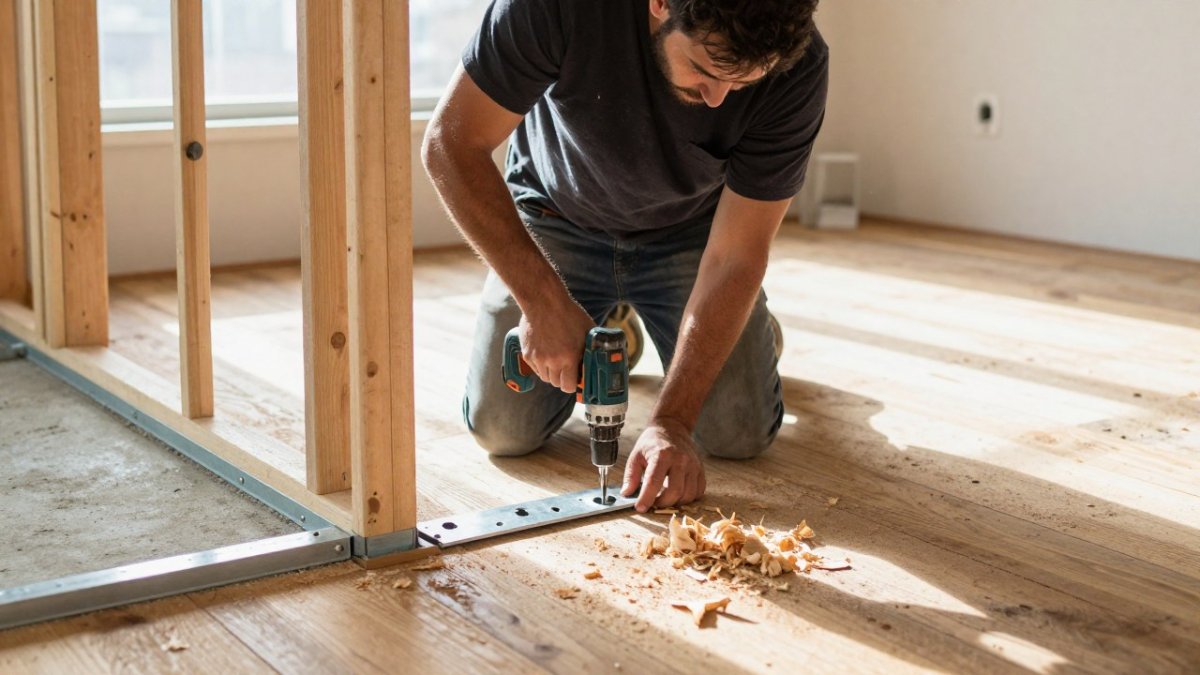
- Step 2: Fix Repairs and Deferred Maintenance First
- Step 3: Make Cheap Ways to Increase Home Value for Appraisal Count
- Step 4: Document Upgrades Without Influencing the Appraiser
- How to Increase Appraisal Value of Home for Refinance
- What Do Appraisers Look for in a Refinance?
- What to Do If Your Home Appraises Low
- Frequently Asked Questions
How Appraisers Arrive at a Home's Value
Last Updated: November 7, 2026
Most homeowners assume the home appraisal value of their house matches what buyers will pay. It often does not. Before you spend a dollar on upgrades, you need to understand how appraisers actually reach their number. That knowledge tells you where your money will and will not move the needle.
An appraiser's job is to estimate a home's market value as of a specific date. Lenders rely on that estimate to decide how much they will lend. The Consumer Financial Protection Bureau guidance on home appraisals explains the basic role an appraisal plays in a mortgage transaction.
Appraised value vs. sale price vs. online estimates
These three numbers are not the same, and mixing them up leads to bad decisions.
- Appraised value: A licensed appraiser's opinion of market value, based on a physical inspection and comparable sales.
- Sale price: What a buyer and seller agree to in the actual deal. It can be higher or lower than the appraisal.
- Online estimates: Automated figures generated by algorithms. They use public records and recent data but never see the inside of your home.
A common mistake is treating an online estimate as a target. Estimates can miss condition, layout, and recent upgrades entirely. Use them as a rough starting point, not a promise.
Comparable sales and neighborhood comps
The core of most residential appraisals is the sales comparison approach. The appraiser finds recently sold homes that are similar to yours and adjusts their prices for differences. A larger lot might add value. An extra bathroom might add value. A dated kitchen might subtract it.
This means your home's value depends heavily on what has sold nearby. Upgrades only help if they put your home above the comps. When your neighborhood sales are modest, a $30,000 kitchen may not return $30,000 at appraisal. Ask a local agent to pull recent comparable sales before you choose which projects to fund.
Step 1: Build a Home Appraisal Checklist
Start with a written checklist so you can see every factor the appraiser will evaluate. Walk through the house as if you were the appraiser.
- Check the roof, gutters, and exterior paint for visible damage
- Test every door, window, faucet, and light switch
- Confirm the water heater, furnace, and AC unit are working
- Note the square footage and any finished additions
- Look for any unpermitted work you need to address
- Clear clutter from every room, including closets and the garage
A checklist keeps the focus on what the appraiser can actually observe. It also gives you a clear record of what you fixed.
Step 2: Fix Repairs and Deferred Maintenance First
Repairs almost always come before cosmetic work, because a home appraisal value depends heavily on condition. Appraisers note deferred maintenance because buyers and lenders see it as risk. A leaking roof or a broken furnace can lower the value more than a missing light fixture ever will.
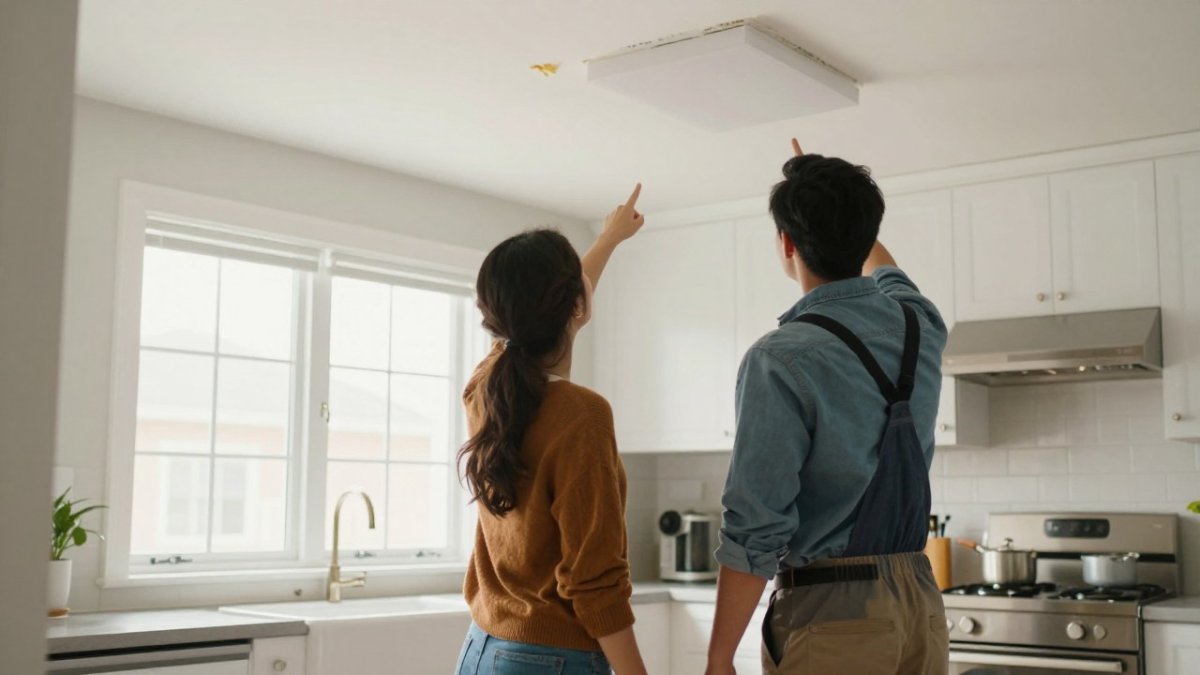
Fix safety issues first. Then address anything that signals neglect, such as cracked walls, peeling trim, or a damaged deck. Save receipts and note the work you completed, since that documentation can support your condition claims. If paint and cosmetic work is on your list, you can explore professional drywall painting options.
Roof, HVAC, and major system condition
Major systems carry the most weight. Appraisers look at the roof's age and condition, the heating and cooling system, the water heater, and the electrical panel. A roof near the end of its life often reduces value because the buyer will face a large bill soon after closing.
If a full replacement is not in your budget, get a professional inspection report. A written assessment showing a system is sound can help you make the case during the appraisal process.
Step 3: Make Cheap Ways to Increase Home Value for Appraisal Count
Low-cost improvements often make the biggest visual difference. The goal is to make the home look well cared for, not to remodel it. Start with the items that cost little and show up in every photo and walkthrough.
Curb appeal, fresh paint, and deep cleaning
First impressions count, and appraisers see the exterior before anything else. Focus on:
- Trimming overgrown shrubs and removing weeds
- Power washing the driveway, walkways, and siding
- Repainting the front door and touching up trim
- Replacing burned-out bulbs and dated outdoor light fixtures
- Cleaning windows, inside and out
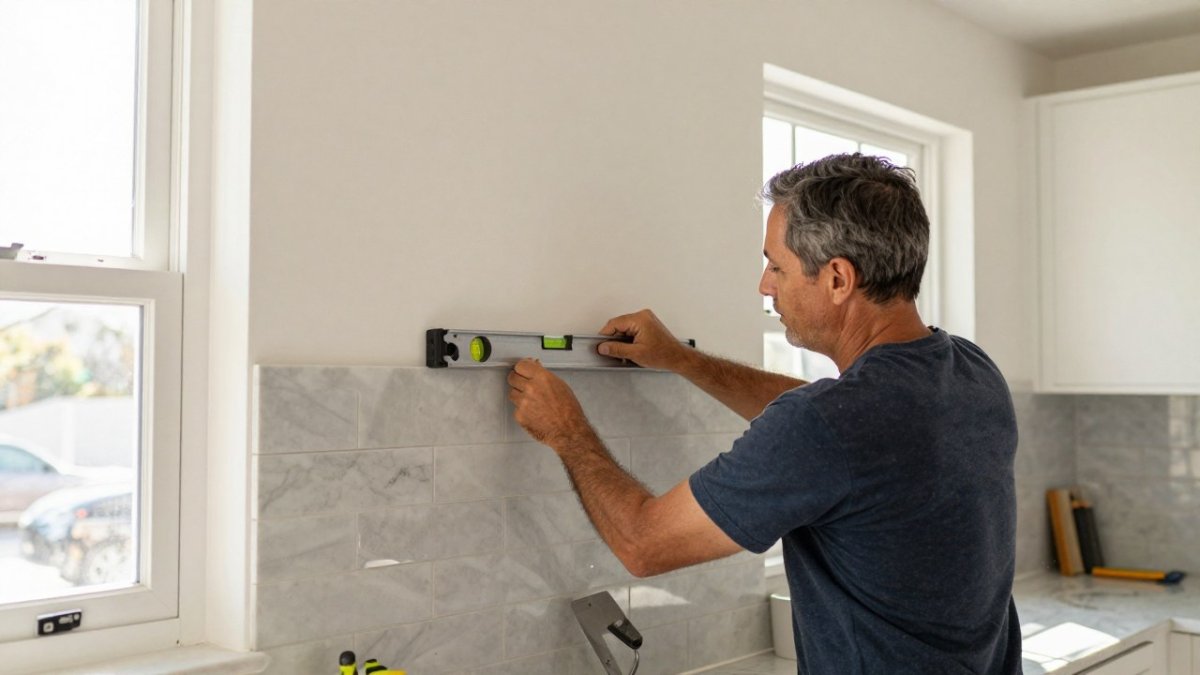
Inside, neutral fresh paint and a deep clean do more than most people expect. Scrub grout, wipe baseboards, and clean appliances. A clean, bright home reads as well maintained.
Kitchen and bathroom updates on a budget
You do not need a full gut renovation to help a kitchen or bathroom. Consider these lower-cost changes:
- Replace cabinet hardware and update the faucet
- Re-caulk tubs and sinks so they look fresh
- Swap old light fixtures for simple, modern ones
- Repaint cabinets in a neutral color if they are in good structural shape
Be realistic about return. Small updates tend to help most when the rest of the home is in good condition. Major remodels should be weighed against comparable sales in your area.
The table below summarises the low-cost improvements the article recommends, with the areas each one targets.
| Area | Improvement | Note |
|---|---|---|
| Exterior | Trim shrubs, remove weeds | Appraisers see the exterior first |
| Exterior | Power wash driveway and siding | Low cost, visible in every photo |
| Exterior | Repaint front door, touch up trim | Makes the home look cared for |
| Exterior | Replace burned-out bulbs and dated fixtures | Quick, inexpensive fix |
| Interior | Neutral fresh paint and deep clean | Reads as well maintained |
| Kitchen | Replace cabinet hardware, update faucet | Small change, big visual impact |
| Bathroom | Re-caulk tubs and sinks | Makes fixtures look fresh |
| Kitchen or bath | Swap old light fixtures | Simple, modern look |
Step 4: Document Upgrades Without Influencing the Appraiser
Documentation is valuable, but it must be handled carefully. Your job is to give the appraiser accurate information, not to pressure the outcome.
Keep a folder with permits, receipts, contractor invoices, and dates of completion. Provide a simple, factual list of improvements. Let the appraiser decide how much weight to give each item.
A practical documentation checklist:
- Permits for additions, structural work, electrical, plumbing, and HVAC
- Receipts and invoices showing dates and costs of major repairs or replacements (roof, windows, siding, furnace, water heater)
- A one-page summary of upgrades with dates and locations (e.g., "Kitchen remodel, 2024, cabinets refaced, new countertops, new flooring")
- Before-and-after photos for significant work
- Any inspection reports or warranties for major systems
Present the information neatly and factually. Avoid these approaches:
- Do not ask the appraiser to assign a specific value or to "hit" a target number.
- Do not hide problems or make false claims about condition.
- Do not pressure the appraiser or contact them in ways that look like pressure, repeated calls, emails, or requests to meet outside the appointment can be seen as improper influence.
Watch out: If you have unpermitted work, do not try to disguise it. Appraisers are trained to spot signs of unpermitted additions, and lenders may require permits or inspections before funding a loan.
Ethical documentation helps the appraiser do an accurate job, which ultimately protects you as well.
How to Increase Appraisal Value of Home for Refinance
Refinancing follows the same valuation logic, but your goals may differ. You want the lender to see enough equity to approve your new loan on favorable terms.
Focus on the factors that affect market value rather than trying to inflate the number. Repairs, curb appeal, and a clean interior still matter most. If you have a strong comparable sales record in your area, share recent neighborhood sales that support your home's condition.
What Do Appraisers Look for in a Refinance?
For a refinance, appraisers generally check the same core elements as a purchase appraisal. They look at condition, square footage, layout, location, and comparable sales. They also confirm that the home meets basic safety and livability standards.
Expect the appraiser to flag unpermitted additions, missing smoke detectors, or safety hazards. Resolve these before the appointment whenever possible. Lenders typically require clear safety conditions before they will fund a loan.
What to Do If Your Home Appraises Low
A low appraisal is frustrating, but it is not the end of the process. The first step is to read the full appraisal report carefully.
If you find an error, ask your lender about a reconsideration of value (ROV). This is a formal request to review the appraisal based on specific, factual issues, not a request for a higher number.
A strong ROV package includes:
- A clear list of factual errors with page references from the appraisal report
- Permits, receipts, and contractor invoices for upgrades the appraiser missed
- Recent comparable sales that are more similar to your home than the ones used, same neighborhood, similar square footage, similar condition, and closed within the last few months
- A brief explanation of why each suggested comparable is more appropriate
Watch out: Do not simply ask for a higher value or submit a stack of unrelated documents. ROV requests that lack specific, factual support are typically denied.
Beyond ROV, consider these options:
- Ask a local real estate agent to review the appraisal and pull additional comparable sales you may have missed.
- If you are refinancing, discuss the gap with your lender, some loans allow you to proceed with a lower loan amount or bring cash to closing.
- If you are selling, the buyer may agree to renegotiate the price or split the difference.
- In some cases, waiting for more recent comparable sales to close can strengthen a future appraisal.
If the home needs more work to reach the value you expected, a remodeler can help you plan improvements that make a real difference. You can contact a remodeling team to discuss improvements that could raise the value.
Terra-Chic Remodeling works with Southern California homeowners who want their property to look and perform its best.
Frequently Asked Questions
What increases appraisal value the most?
Repairs that fix visible defects and failing systems usually matter most, because appraisers flag condition problems before they credit cosmetic upgrades. A working roof, a functioning HVAC system, sound plumbing and electrical, and a clean, well-maintained interior and exterior tend to carry the most weight. Upgrades like a new kitchen can help, but they only add value when the rest of the home matches their quality. Prioritize deferred maintenance first, then cosmetic improvements that bring the home in line with recent comparable sales in your neighborhood.
What should I fix before a home appraisal?
Start with anything that is broken, leaking, unsafe, or obviously worn: roof leaks, water stains, cracked windows, damaged flooring, non-working appliances, and missing handrails or smoke detectors. Next, address curb appeal with yard cleanup, fresh paint on the front of the house, and clean gutters. Inside, deep clean, declutter, and replace burned-out light bulbs. Keep receipts and permits for any work you have completed so the appraiser can see what has been done.
What do appraisers look for in a refinance?
For a refinance, the appraiser compares your home with recent comparable sales, measures square footage and room count, and inspects the property's condition, including the roof, foundation, HVAC, and major systems. They also check for safety issues and whether finished living space is legally permitted. The appraisal report is what the lender relies on, so an accurate picture of the home's condition and features matters more than polish alone.
What not to say during a home appraisal?
Avoid pressuring the appraiser or suggesting a specific number, since that can undermine the independence of the valuation and may violate lending rules. Instead, share a factual list of upgrades, permits, and recent repairs, and point to comparable sales you believe are relevant. Let the appraiser draw their own conclusions and ask questions about their methods if something is unclear.