 How-to
High-End Interior Design-Build: A Complete Guide
Last Updated: October 23, 2026
Quick Summary
High-end interior design-build is a single-source approach where one firm handles both design and construction for luxury home projects. This model eliminates coordination gaps between designer and contractor, catches costly mistakes during planning, and delivers results that match your vision from concept through completion.
- Design-build eliminates coordination headaches by having the same team design and build the project.
- The three phases are discovery and feasibility, design development and documentation, and construction administration.
- Luxury renovations involve custom millwork, integrated systems, and coordinated details that require constant collaboration.
- Thorough discovery phase prevents budget surprises by identifying structural issues and code conflicts early.
- Working with an experienced design-build team provides accountability and quality assurance throughout the project.
Table of Contents
- What High-End Interior Design-Build Actually Is
- Design-Build vs. Design-Bid-Build: Which Approach Serves Luxury Projects
- The Design-Build Process: From Concept to Completion
- Luxury Home Remodeling: What Sets High-End Projects Apart
- Understanding High-End Home Renovation Cost Factors
- Luxury Home Renovation Timeline: What to Expect
- How to Select a Luxury Design-Build Firm
- Risk Mitigation and Quality Assurance in Luxury Construction
- Frequently Asked Questions
What High-End Interior Design-Build Actually Is
High-end interior design-build is a single-source approach where one firm handles both design and construction for luxury home projects.
This model can eliminate the coordination headaches that plague traditional remodeling. The design team knows what the construction team can actually build. The builders understand the design intent before a single nail goes in.
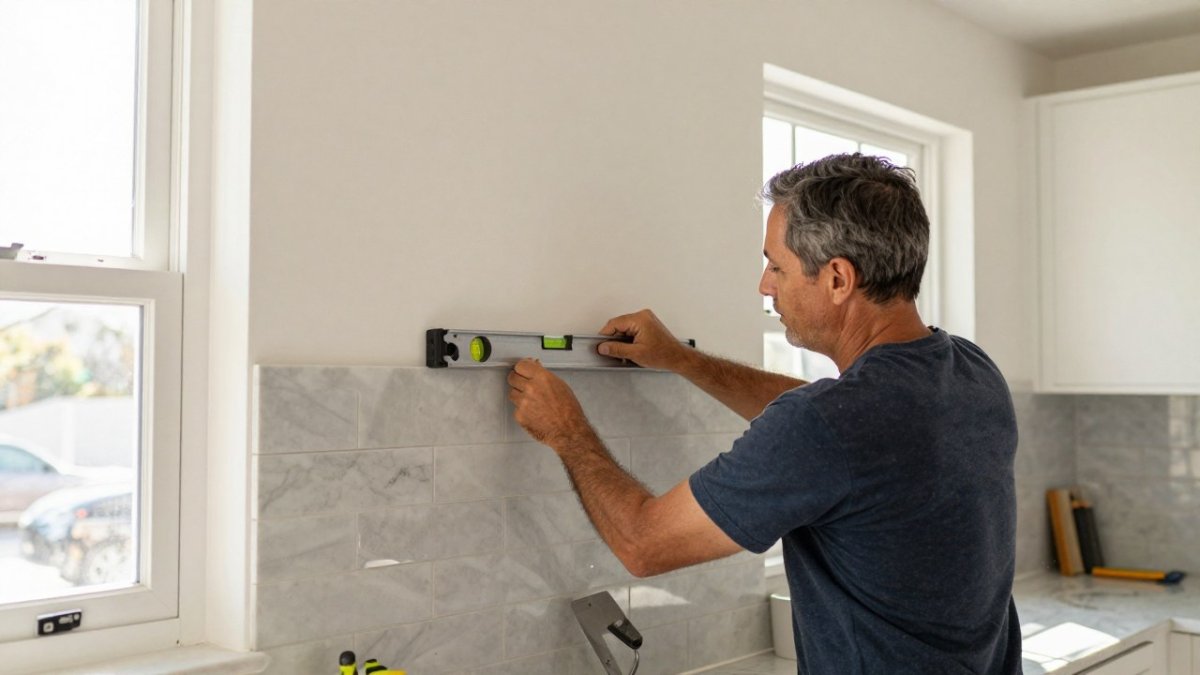
In a luxury home renovation, that matters enormously. A misaligned detail, a countertop height, a lighting placement, a material specification, costs thousands to fix after framing is done. The design-build process catches these issues during planning, not mid-construction.
This approach differs fundamentally from traditional methods. You're not managing multiple vendors or hoping the contractor interprets the designer's vision correctly. The same team that drew the plans builds them. That single-source responsibility changes everything about project outcomes and your experience as the homeowner.
Design-Build vs. Design-Bid-Build: Which Approach Serves Luxury Projects
Design-build means one firm designs and builds. Design-bid-build means you hire a designer first, then bid the project to multiple contractors.
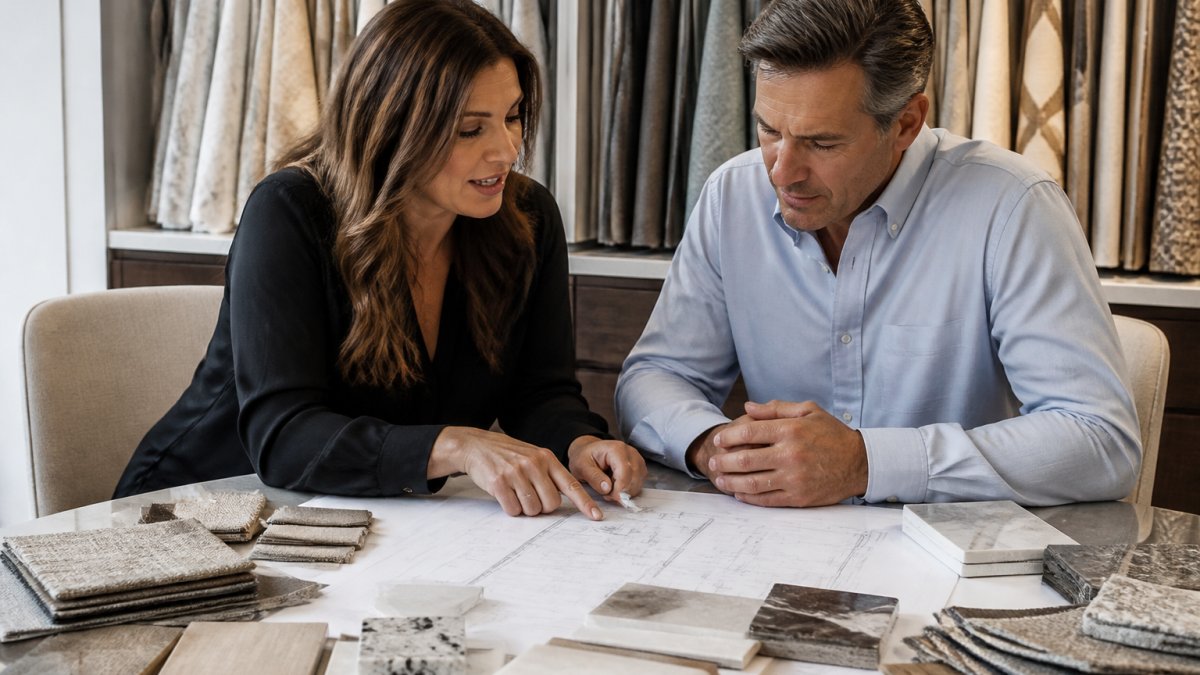
Design-bid-build offers competitive pricing because you can shop construction bids against each other. But it creates coordination gaps.
Design-build eliminates that friction. The team that designs it builds it, so there's no translation layer. Revisions happen faster because communication is internal.
For high-end projects, this matters. Luxury work demands precision, custom millwork, integrated smart home systems, coordinated material selections. Those details require constant collaboration between design and construction.
The trade-off is that design-build pricing is typically fixed earlier in the process, whereas design-bid-build lets you shop around. But with luxury work, the lowest bid rarely delivers the highest quality. You're paying for integration and accountability, which design-build provides and traditional models don't.
The Design-Build Process: From Concept to Completion
The design-build process for luxury homes typically unfolds in three major phases: discovery, design development, and construction administration. Understanding this flow helps you know what to expect and when decisions need to happen.
Phase 1: Discovery and Feasibility
Discovery is where the team learns your vision, assesses the existing structure, and identifies what's actually possible. This phase includes site surveys, structural evaluation, code review, and detailed conversations about your goals.
Many homeowners skip this step or rush through it. That's a mistake. A thorough discovery catches problems early, hidden structural issues, code conflicts, site constraints, before design work begins. It's the difference between a smooth project and surprise costs mid-construction.
During discovery, the design-build team identifies:
- Structural limitations and opportunities
- Local building codes and permit requirements
- Existing utilities and their locations
- Soil conditions and foundation integrity
- Natural light and spatial flow potential
This phase provides the foundation for accurate budgeting and scheduling.
Phase 2: Design Development and Documentation
Once feasibility is confirmed, the team develops detailed designs, specifications, and construction documents. This includes floor plans, elevations, material selections, lighting design, mechanical systems, and structural details.
Design development is iterative. You'll review concepts, request changes, and refine details. This back-and-forth is normal and necessary. The goal is a complete set of documents that the construction team can build from without ambiguity.
For luxury homes, this phase includes:
- Architectural renderings and 3D models
- Detailed material and finish specifications
- Custom millwork and built-in designs
- Mechanical, electrical, and plumbing coordination
- Smart home system integration planning
- Lighting design and fixture selection
The deliverable is a complete set of construction documents, detailed enough that a contractor could build from them without asking questions.
Phase 3: Construction Administration and Site Supervision
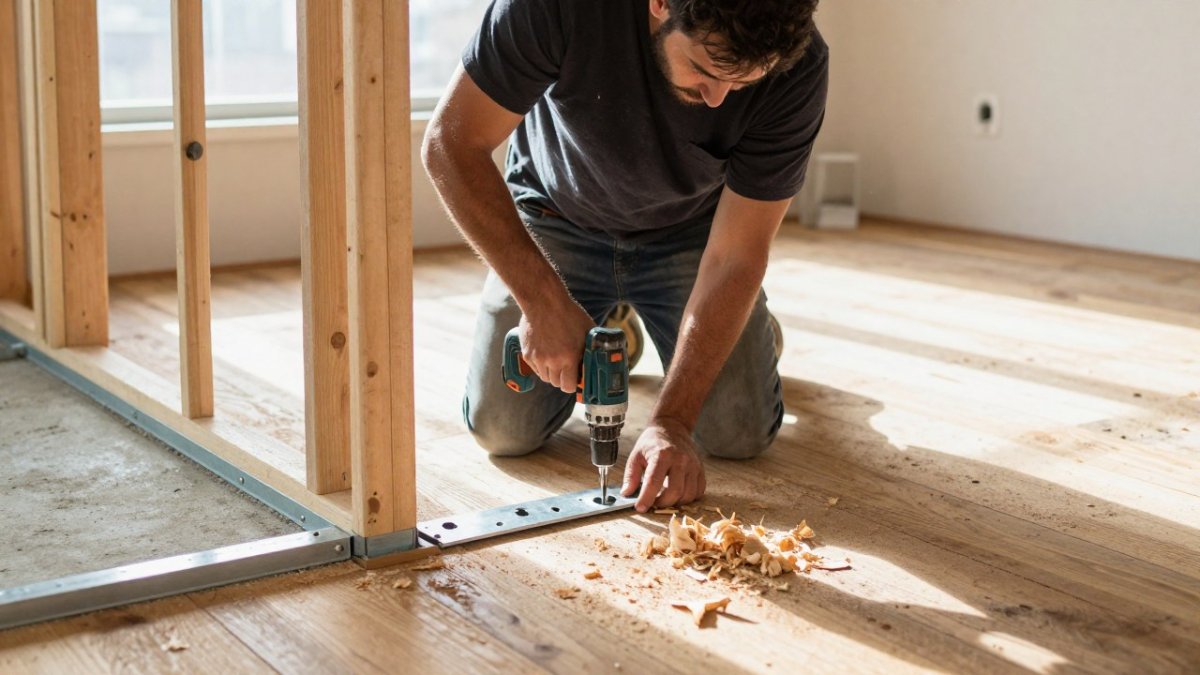
Once permits are approved, construction begins. The design-build team provides ongoing site supervision, quality assurance, and coordination. This phase includes regular inspections, material verification, change order management, and problem-solving as issues arise.
Construction administration is where the design-build advantage becomes most obvious. The same team that designed the project is present during construction to ensure execution matches intent. If an issue arises, it's resolved immediately by people who understand both the design and the construction process.
This phase includes:
- Weekly site inspections and progress meetings
- Material quality verification
- Contractor coordination and scheduling
- Change order review and approval
- Permit inspections and compliance
- Punch list development and final walkthrough
The design-build team's presence throughout ensures quality and minimizes surprises.
Luxury Home Remodeling: What Sets High-End Projects Apart
Luxury home remodeling isn't just about spending more money, it's about a different approach to quality, materials, and execution.
What distinguishes luxury work:
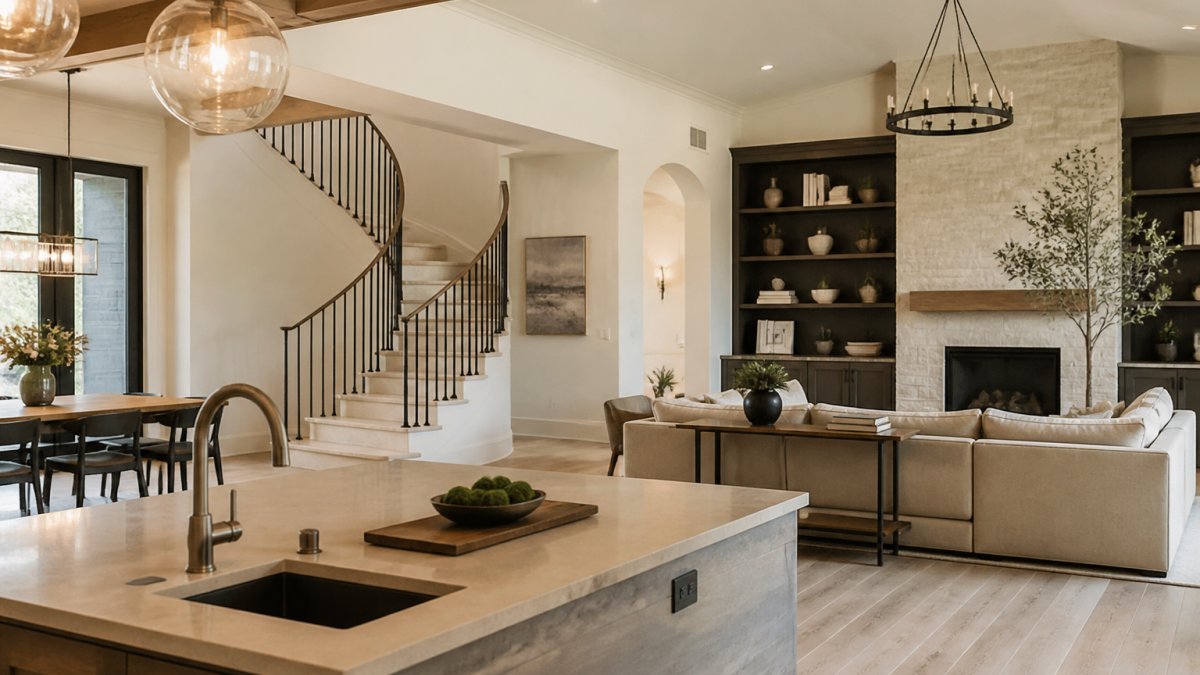
- Custom millwork and built-ins designed specifically for your space
- High-end materials selected for durability and aesthetics
- Integrated systems like smart home technology, premium HVAC, and radiant heating
- Architectural detail that reflects your lifestyle and design preferences
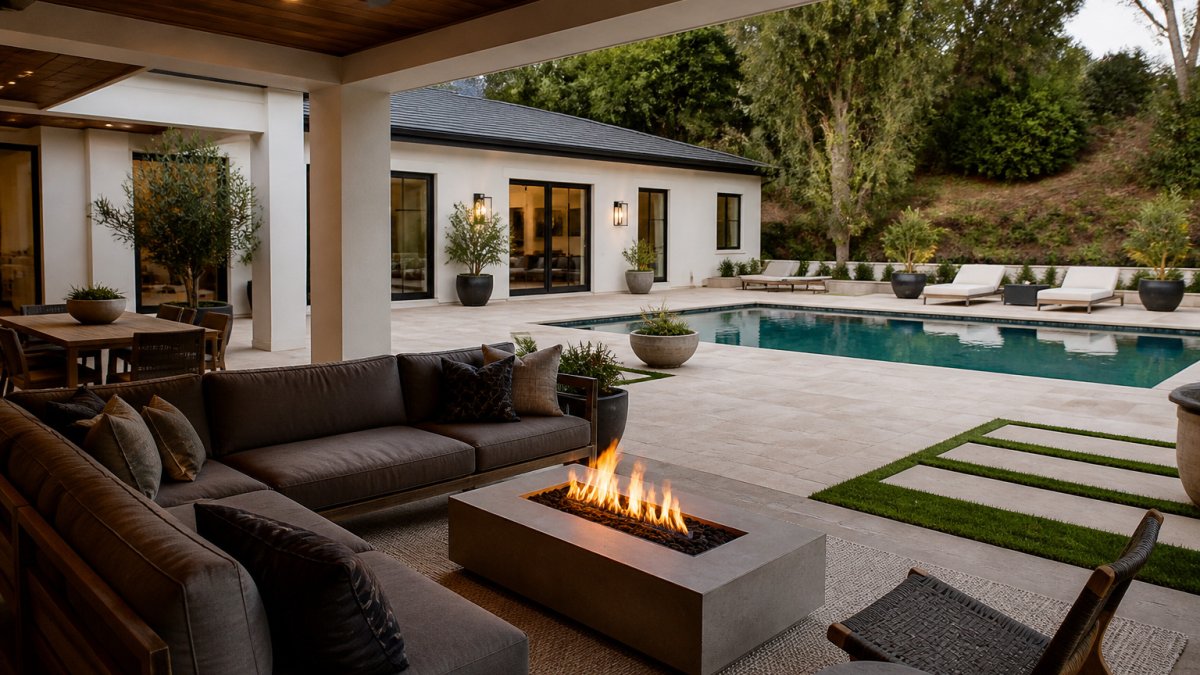
- Seamless indoor-outdoor living with coordinated spaces and finishes
- Project management that prevents delays and cost overruns
Luxury remodeling also involves more stakeholders. You might have an existing designer you want to work with. There are structural engineers for complex additions. Permit specialists navigate building codes. Specialty contractors handle custom work.
The timeline is also different. Luxury projects can't be rushed. Custom elements take time. Material lead times are longer. Inspections are more rigorous.
Understanding High-End Home Renovation Cost Factors
High-end renovation costs depend on several factors that go beyond square footage. Understanding these helps you budget realistically and avoid surprises.
Major cost drivers include:
- Scope of work, kitchen and bath remodels cost more per square foot than room additions
- Structural modifications, removing walls, adding windows, or addressing foundation issues increases costs significantly
- Material selection, luxury finishes, custom cabinetry, and premium fixtures add substantial cost
- System upgrades, electrical, plumbing, HVAC, and smart home integration are major line items
- Custom elements, millwork, built-ins, and bespoke design work command premium pricing
- Site conditions, older homes with hidden issues, poor soil conditions, or complex access increase costs
- Permit and compliance, building permits, inspections, and code compliance are necessary costs
For a realistic budget, work with your design-build team early. They can estimate costs based on your goals, site conditions, and material preferences. A thorough feasibility study (Phase 1) prevents budget surprises later.
Many homeowners underestimate contingency. Realistic planning for the unexpected structural issue, code requirement, or design refinement that arises during construction is important.
Luxury Home Renovation Timeline: What to Expect
A luxury home renovation timeline includes discovery, design development, permits, and construction.
That timeline assumes:
- Clear scope and goals from the start
- No major structural surprises
- Standard permit approval process
- No significant design changes mid-construction
- Materials available within normal lead times
Factors that extend timelines:
- Complex structural work or code compliance issues
- Delayed permit approval
- Custom material lead times
- Design changes during construction
- Hidden issues discovered during demolition
- Seasonal weather impacts on exterior work
Factors that accelerate timelines:
- Smaller scope (bathroom remodel vs. whole-home renovation)
- Straightforward structural conditions
- Pre-approved designs and materials
- Experienced team with established vendor relationships
- Efficient permit process
The key is realistic planning upfront. A design-build team with local experience knows typical permit timelines, material lead times, and construction schedules. Use that knowledge to set expectations early.
How to Select a Luxury Design-Build Firm
Choosing the right firm is the most important decision in a luxury renovation.
Start by evaluating portfolio work. Look for projects similar in scope and style to what you envision.
Check references and reviews. Talk to past clients about their experience. Ask specific questions:
- Did the project stay on budget?
- Were timelines met?
- How did the team handle problems?
- Would you hire them again?
- Was communication clear throughout?
Verify credentials and insurance. A luxury design-build firm should have:
- Proper licensing for design and construction
- Current insurance (general liability and workers' comp)
- References from past clients
- Experience with your local building codes
Meet with the team in person. You'll spend months working together, so chemistry matters.
At Terra-Chic Remodeling, we prioritize this relationship.
Ask about their design-build process specifically. How do they coordinate design and construction? How do they manage changes?
Get a written proposal that outlines scope, timeline, budget, and the phases of work.
Risk Mitigation and Quality Assurance in Luxury Construction
Luxury construction involves complexity, custom systems, high-end materials, structural modifications. Managing risk and ensuring quality throughout the project is essential.
Risk mitigation starts during discovery.
Quality assurance happens at every stage:
- Design phase, peer review of plans, code compliance check, structural engineer verification
- Permitting, experienced permit specialists ensure documents are complete and compliant
- Material procurement, verification that specified finishes are ordered correctly and arrive on schedule
- Construction, weekly inspections, quality checks, and corrective action when standards aren't met
- Final inspection, detailed walkthrough to verify every element meets specifications
The design-build model itself is a form of risk mitigation. Because one firm owns design and construction, there's accountability for the outcome.
Documentation is critical. Every decision, change, and specification should be documented in writing. That creates a clear record and prevents misunderstandings.
Communication prevents most problems. Regular site meetings, clear reporting, and immediate problem-solving keep small issues from becoming big ones.
Selecting a design-build partner for your luxury home renovation is a significant decision. Our approach eliminates coordination gaps, prevents costly surprises, and delivers spaces that reflect your vision and enhance your property value.
Frequently Asked Questions
What is the difference between design-build and hiring a designer and contractor separately?
Design-build integrates design and construction under one firm, creating a single point of accountability and streamlined communication. The designer and builder work as a unified team from the start, catching structural or feasibility issues early. Hiring separately requires you to manage two vendors, coordinate between them, and often results in change orders when the designer's vision conflicts with construction reality. Design-build eliminates that friction and typically reduces project delays and cost overruns.
How does the design-build process work for a luxury home renovation?
Luxury design-build begins with discovery: the firm assesses your space, understands your vision, and identifies structural or code constraints. Next comes design development, where architects create detailed documentation including millwork, FF&E specifications, and high-end finishes. Construction administration follows, with the team managing procurement, vendor coordination, quality assurance, and site supervision from start to finish. This integrated approach ensures your design intent is preserved throughout construction, with real-time problem-solving rather than post-construction surprises.
What should I look for when choosing a luxury design-build firm?
Evaluate portfolio depth: request examples of completed projects at your scale and style. Ask about their construction administration process, site supervision practices, and how they handle design changes mid-project. Verify they handle permitting and building code compliance in your jurisdiction. Confirm they work with your existing designer if you have one, or clearly understand their in-house design capabilities. Finally, ask how they budget management and catch cost overruns early, transparency here prevents the surprise expenses homeowners fear.
How long does a luxury home design-build project take?
Timelines vary significantly by scope. Factors affecting duration include design complexity, permitting timelines, material lead times, and structural modifications. A reputable firm provides a realistic schedule upfront and communicates delays transparently. Design-build firms typically control timelines better than traditional models because design and construction are coordinated, reducing the delays that occur when separate vendors don't align.
What is included in a high-end interior design-build project?
Comprehensive design-build projects include architectural specifications, space planning, concept development, custom millwork, FF&E procurement and installation, high-end finishes selection, structural modifications if needed, full construction administration, and site supervision. The scope typically covers cabinetry, countertops, flooring, lighting design, HVAC integration, plumbing and electrical upgrades, and final quality assurance inspections. Some firms also offer post-occupancy services, including warranty support and maintenance guidance for your luxury finishes.